We’re often told we have a magic wand! As much as I love the mystical and magical world of fairies, unfortunately speech and language therapists have no such luck. What we do have though is a passion and a drive to support our young people to be seen, heard and valued. That is our magic power.
In doing so we also have the joy of working with the families, friends and professionals around each and every child we work with. Families who play together, grow together. .
Connection, Regulation and Trust
All joyful communication is routed in connection, regulation, safety and trust. Without these things, communication can’t work in the way we’d like it to. It becomes harder for a child to access their language skills without first coming from a place to connection and trust. So we begin….
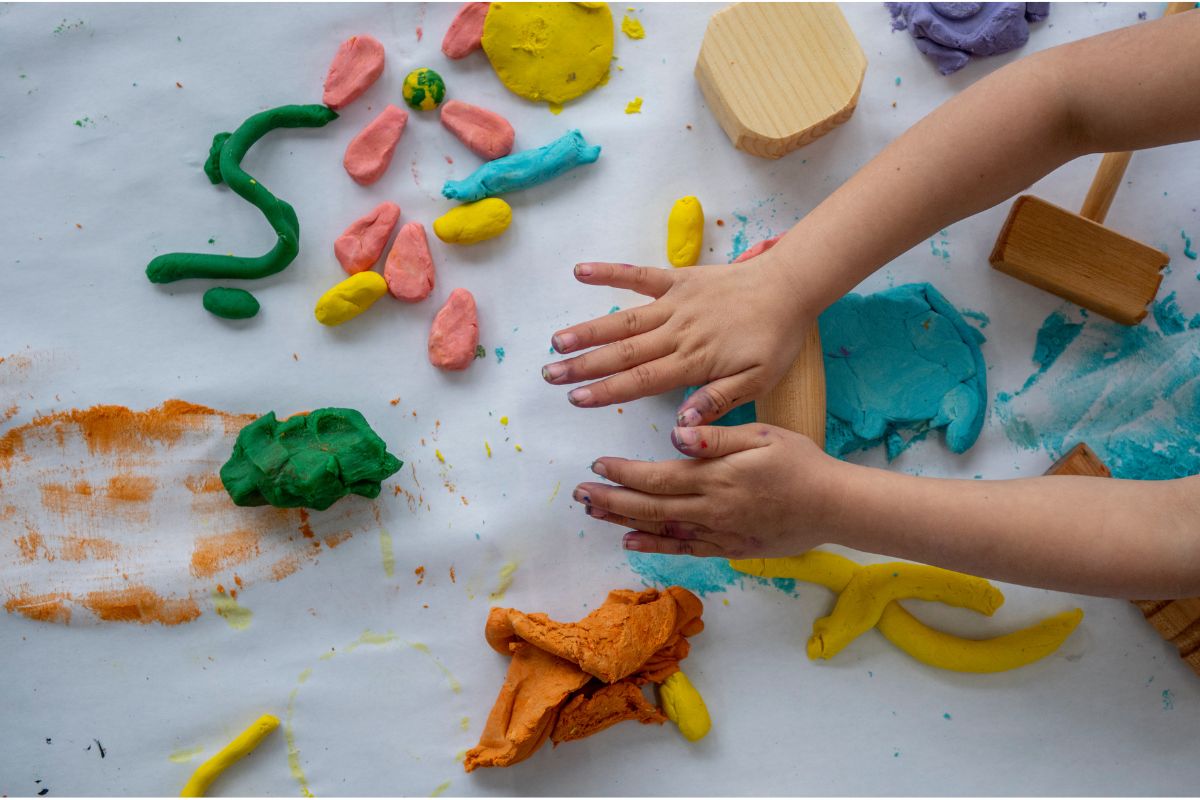
What makes your child tick? That’s where we’re starting. You can guarantee our sessions will always be child led, strengths based and intrinsically motivating. Does your child love to bake? That’s where we’ll start! Does your child love to sort the washing? No washing is too much! Do they like hide and seek? We’ll find every tiny space you have. We often wonder what people think when they see our sessions. Is that really speech and language therapy? If it looks like play, fun and joyful connection then yes, it absolutely is.
What areas can MTW support?
We find people are often surprised at the range of areas we cover as Speech and Language Therapists. We can wear many hats, often at the same time!
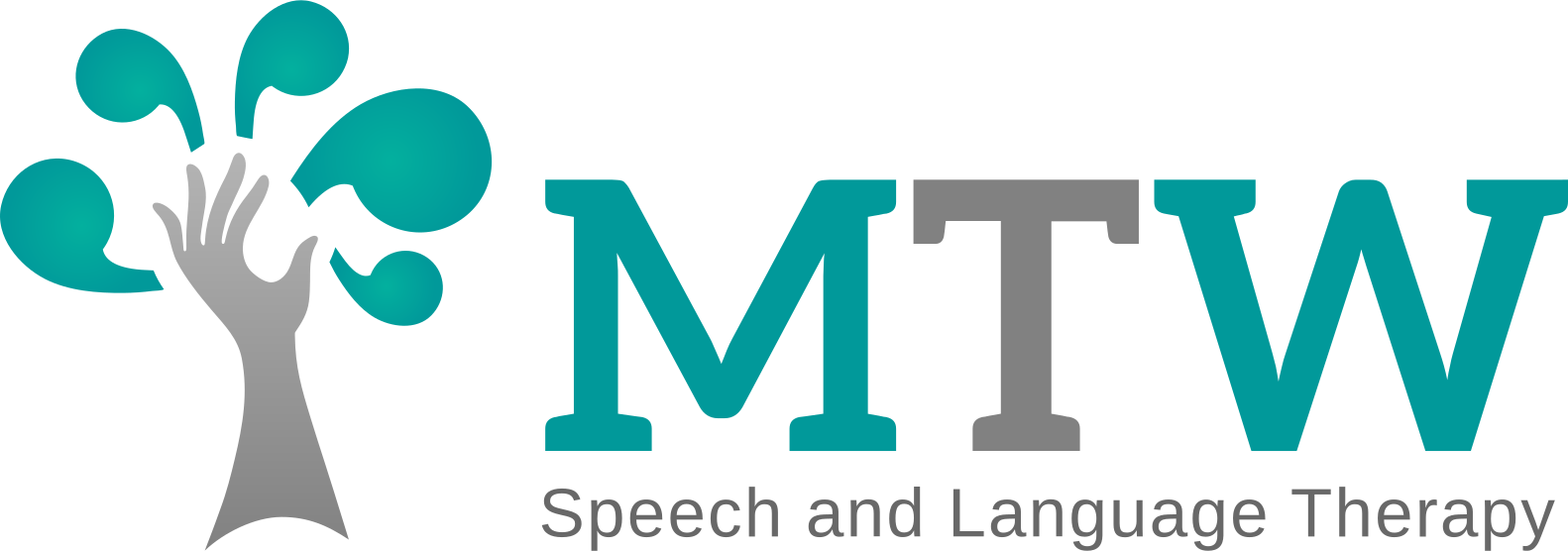
Over the years, we’ve developed our tree to explore these areas a little further. After all, who doesn’t love a visual? You’ll see from our tree that we’ve tried to capture our holistic approach as much as possible.
Let’s start with the roots. What’s happening below the surface? As we’ve mentioned above, all communication is rooted in connection, regulation and the nervous system. We need balance, safety and trust to be able to access higher level language skills and to connect and communicate with others.
Play. We’ll often be told ‘you’re just playing though.’ Play brings a lot of joy to our lives, even as adults. It’s a lifelong process, what it looks like just changes. It helps us to connect with others, find joy in small things and to balance our nervous system. It also helps us learn about the world, work through and process things that our systems have experienced. It also helps children to learn new skills more quickly than just hearing or seeing something. In play they get to experience it too. That’s why everything we do with the children we work with is through play and all play is ok.
Early communication skills covers a few areas including attention and listening, body language and facial expressions and turn taking. These are often described as the building blocks to communication. We know as parents that it’s harder to process language or what someone is saying to us if our children are talking to us while we’re cooking dinner and loading the dishwasher at the same time. It’s hard to switch our attention and this can be particularly difficult for children.
Have you had a long day and feeling tired? Your body language and facial expression will tell those around you before your words do.
Having a conversation with a friend? The turn taking skills you’ve developed have started early on, through play. Now we’re using them in day to day conversations.
Understanding is another building block in communication. For analytical language learners, we’ll often find that they are understanding words and concepts before they are using them. From there we begin to understand a larger range of vocabulary and questions. For our Gestalt Language Processors, they may be developing their understanding through intonation, emotions and meaningful experiences. Whichever way your child is developing that language, we’re there to help them.
Words and Phrases are what most of us use to effectively communicate our wants and needs. As we’ve seen above, we communicate in lots of ways but these tend to be the quickest. That’s why we want to support our children to communicate to their fullest potential in a way that works for them. Whether your child is learning through single words and gradually building sentences, or whether they’re learning language in chunks, scripts and intonation, we want to support them to be confident communicators with opportunities for joyful conversations.
Speech Sounds: The cherry on top. You’ll notice these are the leaves on our tree and are the sounds that children are putting together to make their words. This is because, often, the speech sounds are the last thing to fall into place but you’ll notice them start developing them form early on, through babbling to early words. The more our children’s language and communication develop, the more opportunities they have with practising their sounds. Are you concerned that your child’s speech sounds aren’t developing as you’d expect? Check out our early speech sound assessment here.
Fluency refers to how smooth or bumpy a child’s speech is. You’ll have heard this referred to as stammering or stuttering and is another of the many areas we work in. Whether it’s finding what environmental changes help your little one be as fluent and confident as possible or helping your teenager feel confident enough to order their pizza at the end of the week, we’re here to help.
Social Communication is being able to understand, connect and communicate with the world around us. For some young people that may be finding their self-trust and being able to advocate for themselves. For others it might be developing friendships including where to set boundaries to keep ourselves safe. Whatever it is, we’re there for them.
So there’s are whistle stop tour on the life of a Speech and Language Therapist. Still have questions? Contact us here or find us on Facebook or Instagram.